|
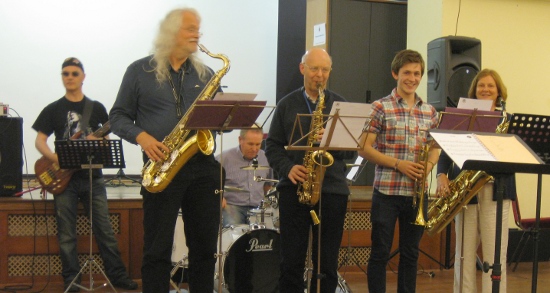
Big Band
The
WMA Big Band repertoire consists of a mixture of classic Big Band
pieces and specially arranged numbers with a World Music edge. You
don't have to be a jazz student to join in. The standard line up is
rhythm section, five saxes (two alto, two tenor, baritone), two
trumpets and two trombones, but we can and do accommodate other
instruments that are keen to try it.
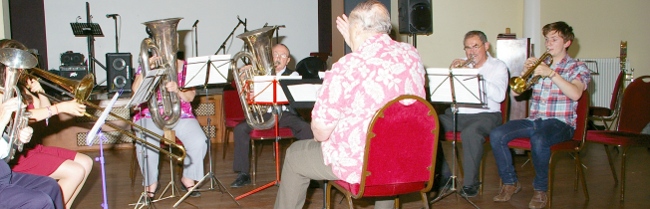
Brass Workshop
All
brass instruments will be welcome - the course will focus on the
technique of playing a brass instrument, although there will be some
ensemble playing too. An ideal course for any brass instrumentalist
wishing to expand and examine their instrumental technique. Mark
Nightingale referred to tutor John Saunders as 'Mr Embouchure', and
he'll be bringing forty years of professional playing experience to
bear on the course.
Ceilidh Instrumental work
This
session is for those instrumentalists who wish to prepare for the
playing in the social evening Ceilidh sessions. You do not have to be
on the folk course, and music and advice will be provided, although
this currently an untutored course.
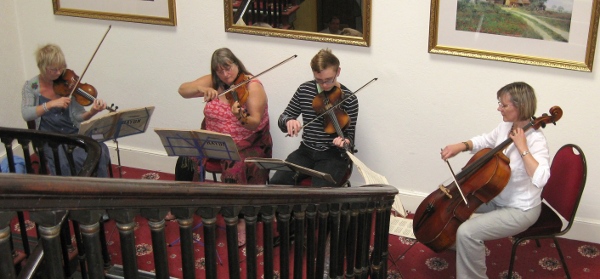
Chamber Music
Music for small ensemble of wind or strings with one player to a part.
Previous chamber music experience is not essential, students should be at least grade 3 standard on their instruments.
Composition course.
Composing for the Voice.
There will be just one composition course, but it will last for two sessions each day. If possible, students should attend both sessions; but I realise that some students will only manage the first or second sessions.
Composers at every level compose for the voice; but all too often writing for voices is not well understood. This course will look both at word-setting (the art of capturing in music the rhythms and sonorities of speech), and at the practicalities of what the voice can and cannot do. Besides discussing students’ compositions, I will play and discuss recordings of vocal music, both solo and choral.
Folk Course
The folk course will this year look at 'Songs Through the Seasons''
Jazz - (Modern)
We will be examining & playing music from the broad range covered by the term 'Jazz', including soloing, composed music and listening to recordings. Theory and technique will also be covered as required, and there will be opportunities for ad hoc performance in the various spaces that Wortley offers.
Jazz
- Traditional
Trad
jazz is really a form of American folk music and is based on aural
traditions. The course will try to use traditional transcription of
standard trad tunes to ensure those who are unfamiliar with trad to
try their hand. All the tunes will be printed for concert treble,
bass clef, Bb, and Eb instruments plus chord charts for rhythm
section players. Those who wish will have an opportunity (and be
encouraged) to improvise on the tunes and against the chord
sequences. The main emphasis will be for students to experiment, make
mistakes (!) and most importantly have fun.
Jazz
Vocal
The
course is run for the most part on a `Masterclass' basis – students
will sing songs they have prepared using 'Band in a Box' software to
provide the backing. You will be asked to provide a short list of songs
that you know well before the course starts (though there is the
flexibility to run with new and interesting trains of thought while you
are at the school!).There may also be some choral work - singing Jazz
as a group is an interesting and challenging exercise.
The hope is that the course culminates in singing with real
instrumentalists, although this isn't a compulsory part of the course,
if that makes you feel nervous.
Light Orchestra (With strings Tutor)
This course provides experience of playing in a small light orchestra with varied repertoire. Woodwind and brass players are invited to enrol.
Opera
There is plenty for students of all standards to take part in and all are welcome, either as soloists or in the chorus. The aim in the opera sessions is to achieve a good standard of individual and group performance, get to know previously unfamiliar music and laugh a lot.
The scenes we work on during the course will be ‘staged’ in the final concert
Sight reading course.
Singing at Sight.
If you sing with other singers or players, you will get more out of if you can sing at sight. If you cannot, then you have to pick up music by ear, which can take time and may be inaccurate. This course will look at the basics of sight-reading: intervals, keys, rhythms and time signatures. You will not need a high-flying voice for this course, but you must be willing to sing.
Public Singing for the Terrified (Singing performance class)
This class is to provide an opportunity for singers of all abilities to perform for each other in a friendly environment and to have a forum for (positive!) comments from fellow singers. As the emphasis is on performance, songs must be sung from MEMORY. Learning by heart is the starting point, not the finish.
Recorder group
If you enjoy playing a recorder (or more than one), join the group that meets just after breakfast, for some ad hoc and informal blowing. If you have a favourite score, bring that along for us to share. Always fun, suits beginners and those who just love playing. Gives a chance to re-learn a rusty skill.
Solo Singing
The Solo Singing course will provide an opportunity for singers to perform and discuss repertoire in an informal workshop and masterclass type of atmosphere.
String Orchestra
Playing a wide repertoire. All violins, violas, cellos and double basses welcome.
Summer School Chorus
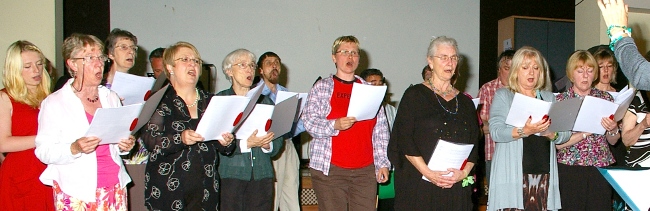
The aims of this course are to give students the opportunity to sing some of the less well-known items in the choral repertoire, practise choral singing techniques and to share some of the songs which express the ideals upheld by the WMA. It is an inclusive session in which all students, whether or not they regard themselves as singers are encouraged to take part.
Wind Ensemble
Music for groups of woodwind, saxophones, including horns, and reed instruments. The tutor will provide a wide variety of music.